

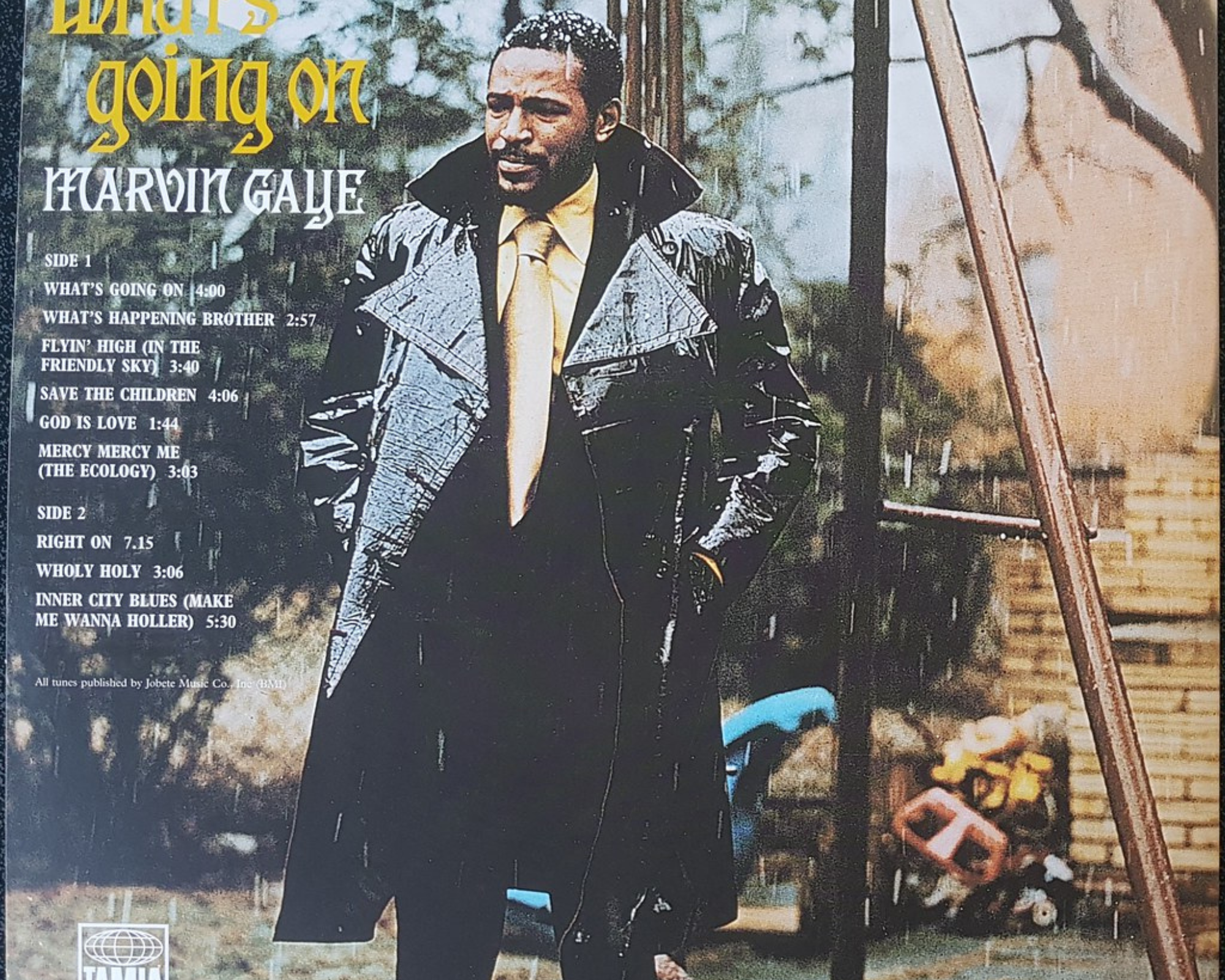
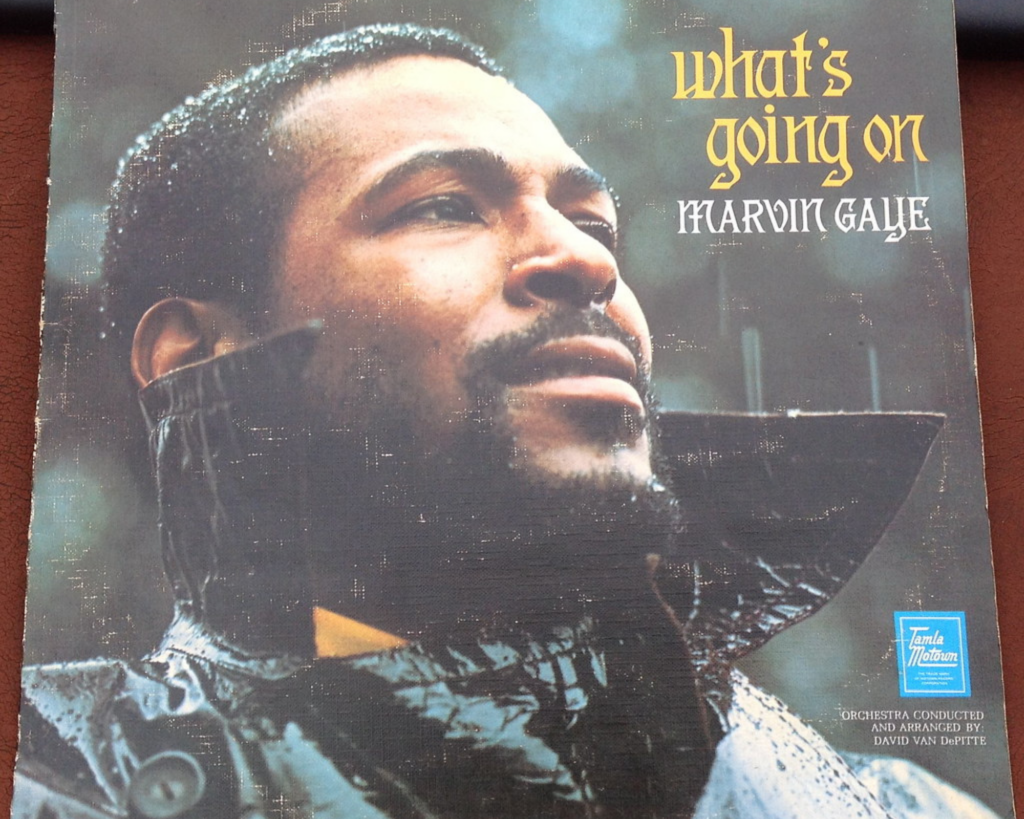
It’s not often that a single album can shift the entire direction of a genre, but that’s exactly what happened back in 1971 with the release of “What’s Going On” by Marvin Gaye. While it might seem like a stretch to label this soulful masterpiece as the blueprint for modern rock music, many critics and fans alike are starting to make that connection. And honestly, it’s hard to argue against it.
Now, before you roll your eyes and think, “How can a soul album influence rock?”, hear me out. Marvin Gaye wasn’t just creating music; he was telling a story—a story that resonated deeply with the social and political upheaval of the time. And that’s precisely where the magic happens. The themes of love, struggle, and hope are universal, and they’ve woven their way into the fabric of rock music over the decades.
The Heart of “What’s Going On”
When you listen to “What’s Going On,” you’re not just hearing a collection of songs; you’re experiencing a journey. Gaye’s smooth vocals paired with lush instrumentation create a sound that feels both intimate and expansive. The album opens with the title track—a soulful anthem that speaks to the pain and confusion of a generation. Who doesn’t feel that? It’s as if Gaye is reaching through time, pulling us into a conversation about the issues we still grapple with today.
But what really sets this album apart is its seamless flow. It’s like one long, beautiful song divided into pieces, each one echoing the last. Unlike many rock albums of the time, which often featured standalone tracks, Gaye’s approach was far more cohesive. This has influenced countless rock artists who’ve adopted similar philosophies, creating albums that feel like complete works of art rather than just a collection of hits.
Breaking Down Barriers
Another thing that makes “What’s Going On” so groundbreaking is its boldness. Gaye tackled issues like war, poverty, and environmental concerns—topics that were often brushed under the rug in popular music. He wasn’t just singing for fun; he was using his voice as a tool for change. And guess what? This kind of fearless expression paved the way for rock artists who followed suit. Think about icons like Bruce Springsteen or U2, who’ve also used their music to address social and political issues. They owe a nod to Gaye for breaking down those barriers.
Plus, let’s not forget about the production. Gaye worked closely with a team of musicians and producers to create a sound that was ahead of its time. The layering of instruments, the incorporation of jazz, soul, and even a sprinkle of rock gave the album an innovative sound that was fresh and unique. Fast forward to today, and you’ll hear echoes of that experimentation in everything from indie rock to pop. Modern artists are constantly pushing boundaries, blending genres, and creating something new—an idea that Gaye and his team championed over fifty years ago.
The Legacy Lives On
Fast forward to 2023, and “What’s Going On” is still making waves. It’s often cited in discussions about the greatest albums of all time, and many artists today still list it as a major influence. When you hear contemporary artists like Hozier or even Billie Eilish—who weave social commentary into their music—you can see that thread connecting back to Gaye. They’re not just making music; they’re making statements, much like he did back in ’71.
It’s also worth mentioning that the album has aged beautifully. It doesn’t sound dated; in fact, it feels incredibly relevant. Whether you’re diving into the lyrics or simply enjoying the melodies, there’s something timeless about the way Gaye connects with listeners. It’s a reminder that music, at its best, transcends time and speaks to the heart of human experience.
What This Means for the Future
So, what does all this mean for the future of rock music? Well, if “What’s Going On” has taught us anything, it’s that vulnerability and honesty in songwriting will always resonate. The artists who dare to speak their truth and address the world around them will always find an audience. As we continue to navigate the complexities of modern life, music remains one of our most powerful outlets for expression.
More from Vinyl and Velvet:

Leave a Reply